Comprehensive Contact Lens Evaluation
Detailed assessment of vision, corneal health and tear film to guide lens selection.

Expert eye examinations and personalised contact lens fitting for different vision needs, eye conditions and lifestyles.
Book Contact Lens Consultation↗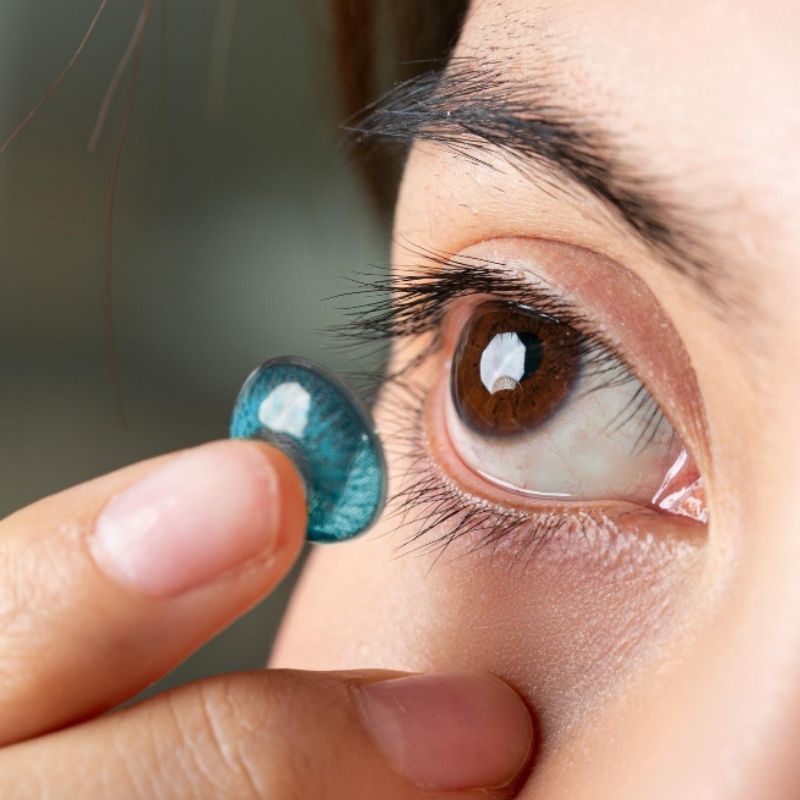
Personalised contact lens fitting and eye care focused on clear vision, comfortable wear and long-term eye health.
Detailed assessment of vision, corneal health and tear film to guide lens selection.

 Dr. Vinod Goyal

Lens recommendations based on prescription, eye measurements, visual needs and lifestyle.
 Dr. Jay Goyal

Led by Dr. Vinod Goyal and Dr. Jay Goyal, supported by experienced eye specialists.

Individualised fitting for regular and specialty lenses, including those for irregular corneas.
Follow-up assessments and guidance on lens hygiene, comfort and safe daily wear.
UNDERSTANDING CONTACT LENS
Contact lenses are thin, curved lenses placed directly on the eye's surface to correct vision without spectacles.
They can correct common refractive errors such as myopia, hyperopia, astigmatism and presbyopia. Specialised lenses may also help patients with irregular corneas or certain eye conditions.
A professional eye examination and proper lens fitting are essential for comfortable vision, safe wear and long-term eye health.
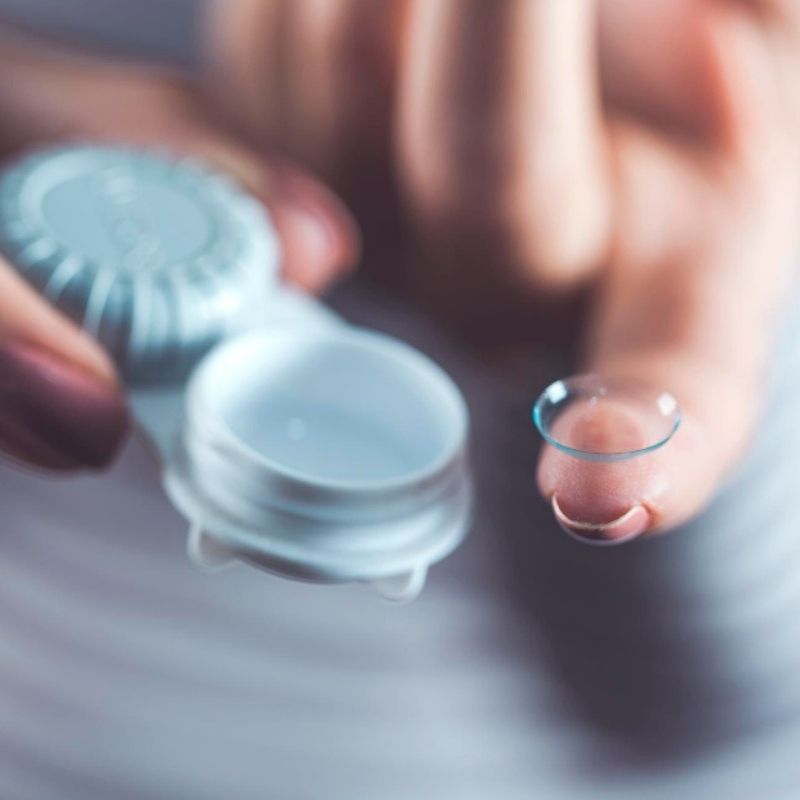
FIND YOUR IDEAL LENSES
Different contact lenses are available to correct refractive errors, improve visual comfort and address specific eye conditions.
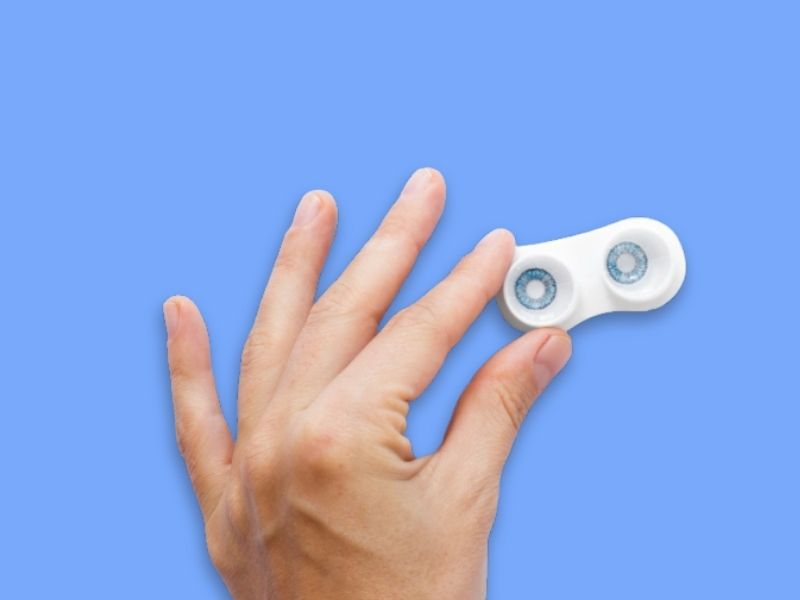
Flexible, comfortable lenses suitable for everyday vision correction and regular use.
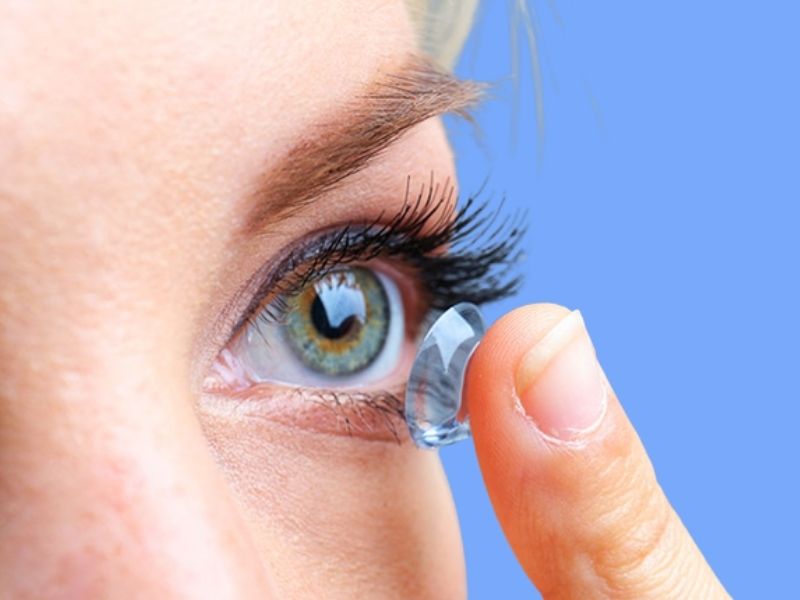
Durable lenses that provide clear vision, particularly for certain irregular corneas.
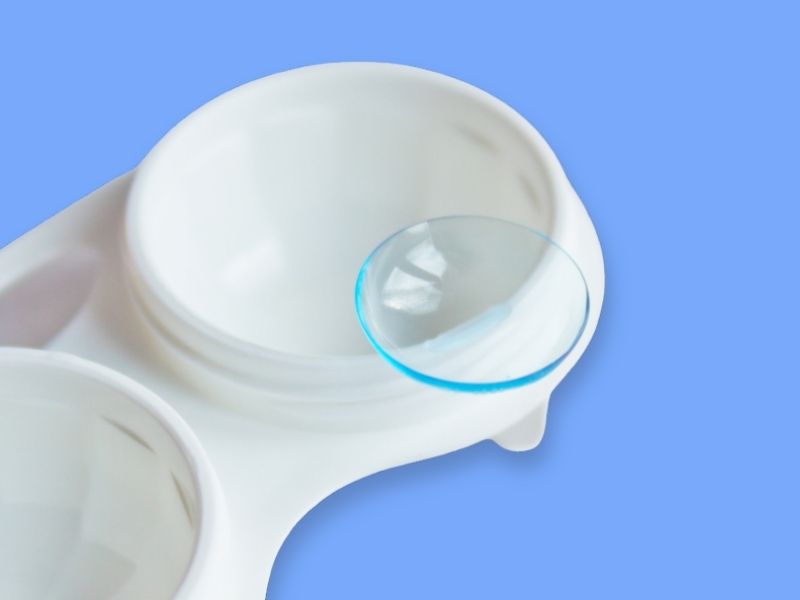
Specially designed lenses that correct astigmatism for clearer, more stable vision.
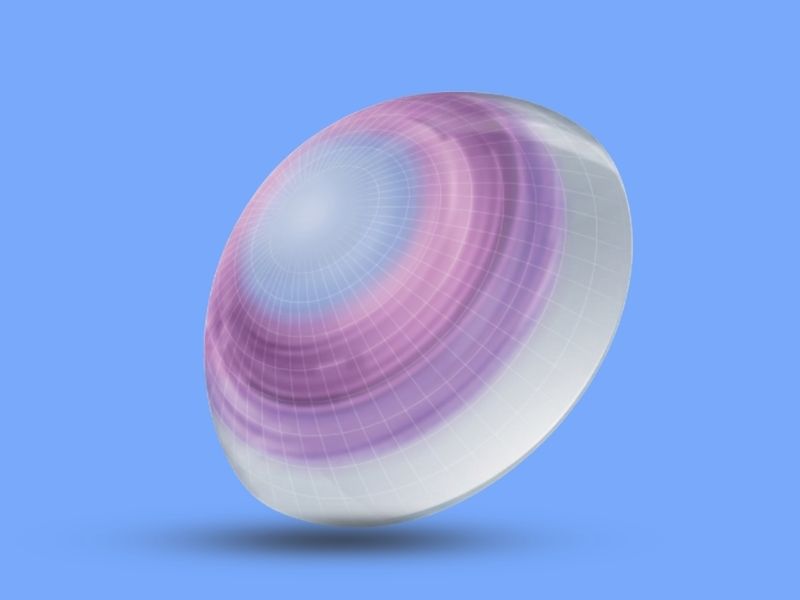
Correct near, intermediate and distance vision to reduce dependence on reading glasses.
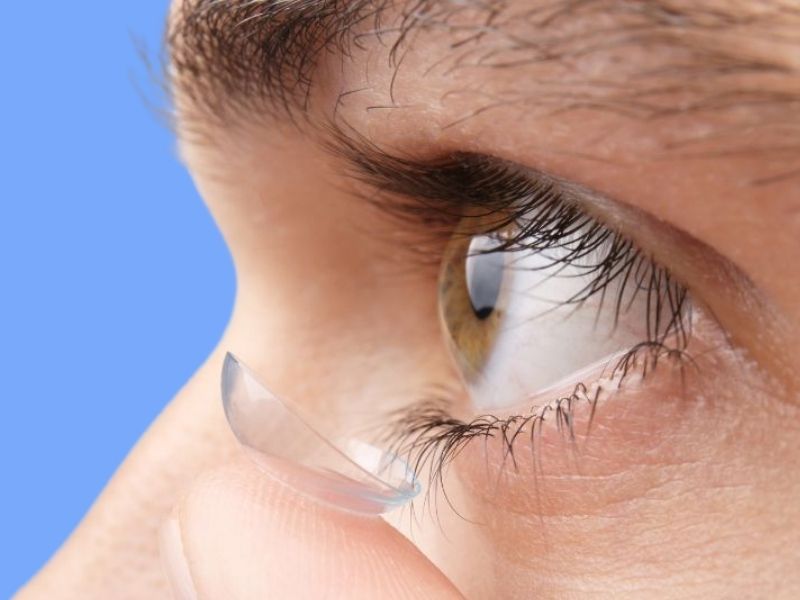
Customised lenses, including hybrid and orthokeratology (Ortho-K) lenses, for specific vision correction needs and corneal conditions.
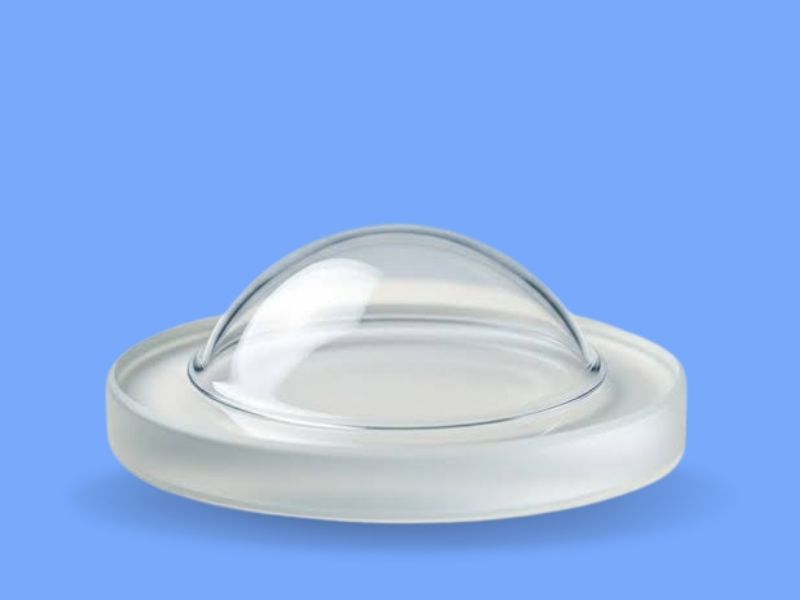
Larger lenses that vault over the cornea, improving vision in selected corneal conditions.
THE CONTACT LENS ADVANTAGE
Contact lenses offer a convenient alternative to spectacles, supporting clear vision, greater flexibility and comfort during everyday activities.
 01
Clear peripheral vision without obstruction from spectacle frames.
 02
Comfortable movement during sports, exercise and daily activities.
 03
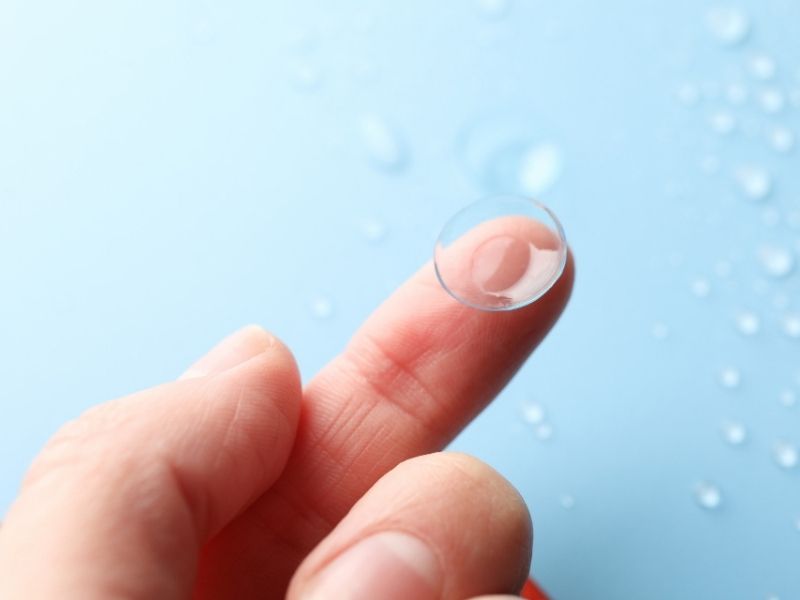
Clear vision without spectacle fogging or rain droplets.
 04
Vision correction without the need for spectacle frames.
 05
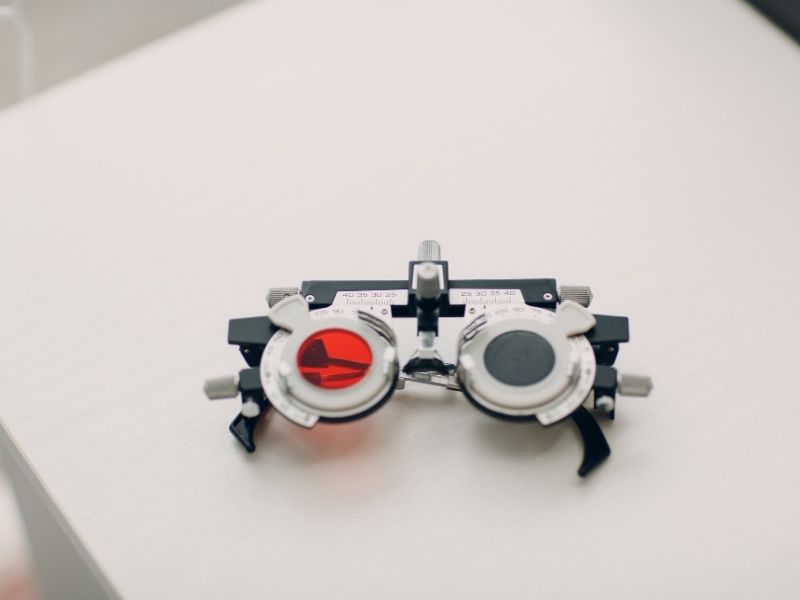
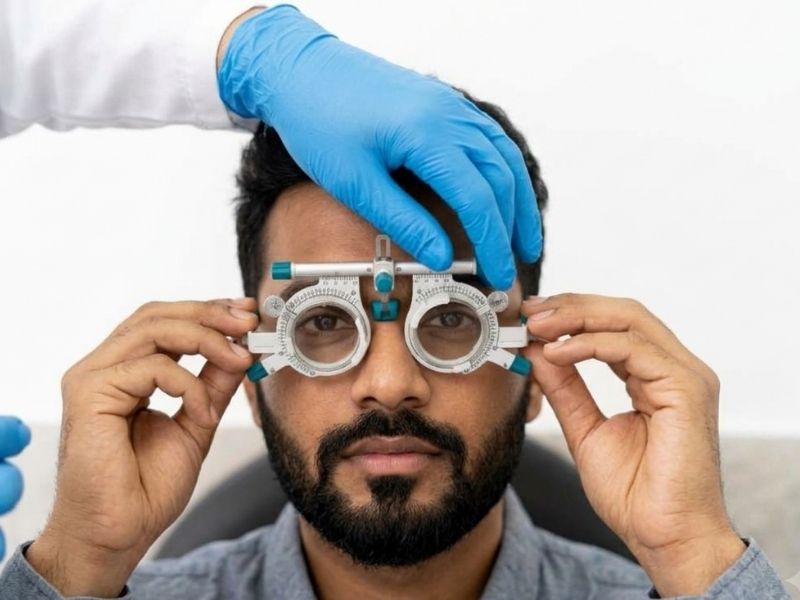
Correct myopia, hyperopia, astigmatism and presbyopia.
 06
Improve vision in selected patients with irregular corneas.
PERSONALISED VISION CORRECTION
Contact lenses can correct common refractive errors and improve vision in patients with specific corneal conditions.

Contact lenses correct blurred distance vision caused by nearsightedness.

Lenses help focus light accurately for clearer vision at different distances.

Toric contact lenses correct blurred or distorted vision caused by irregular focusing.
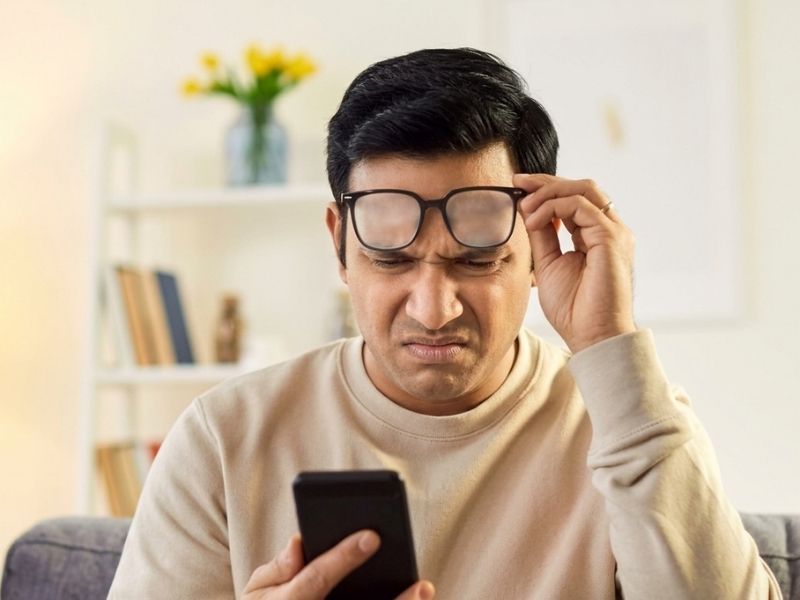
Multifocal contact lenses help improve near, intermediate and distance vision.
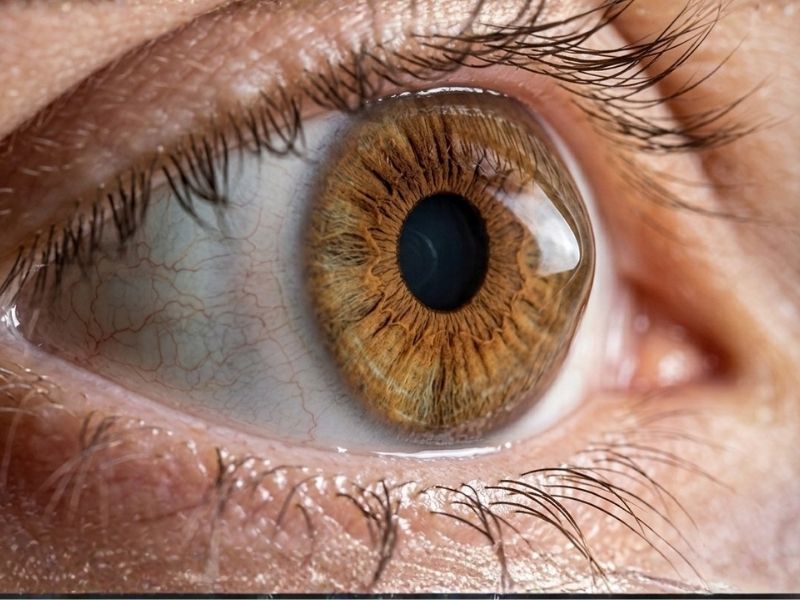
Specialised lenses, including RGP and scleral lenses, improve vision in irregular corneas.
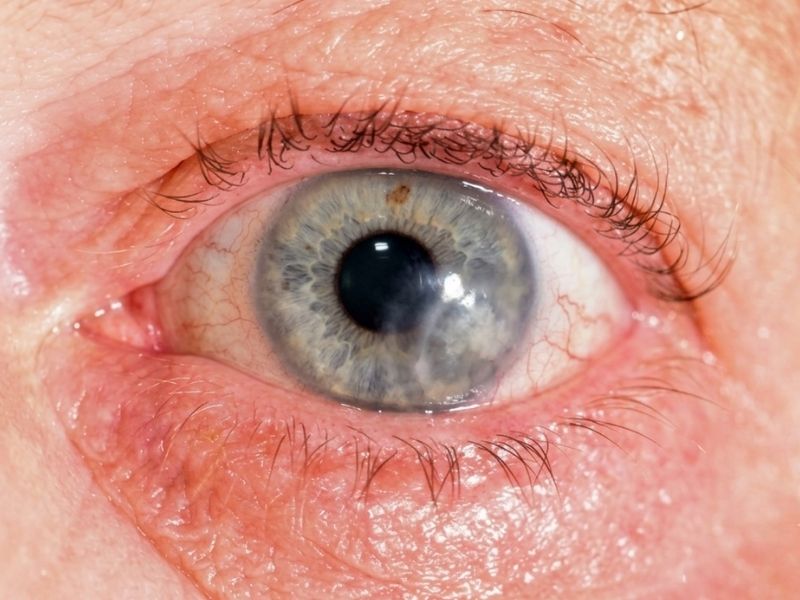
Customised lenses may improve visual clarity in selected patients with irregular corneal surfaces.
KNOW WHEN TO SEEK HELP
Eye discomfort, redness or changes in vision during contact lens wear may indicate irritation, improper lens fit or an underlying eye problem.
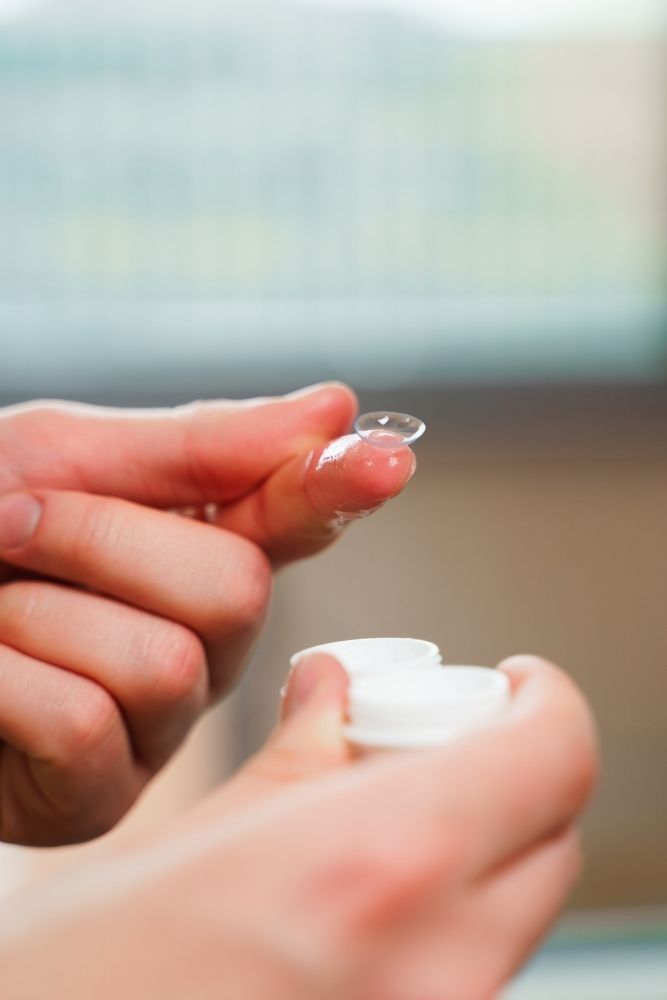
Redness that develops or worsens during contact lens wear.
Persistent pain, burning or a foreign body sensation while wearing lenses.
Reduced visual clarity that persists even after removing the lenses.
Increased discomfort or difficulty keeping the eyes open in bright light.
Unusual watering or discharge that may indicate irritation or infection.
Persistent dryness or discomfort that makes wearing contact lenses difficult.
PRECISE CONTACT LENS FITTING
Detailed eye assessments and corneal measurements help determine suitable contact lenses for clear vision, comfortable wear and eye health.
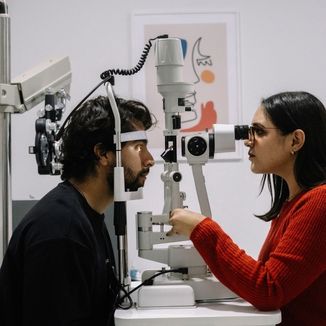
Evaluates overall eye health and identifies conditions that may affect contact lens suitability.
✦ Complete Eye Health Assessment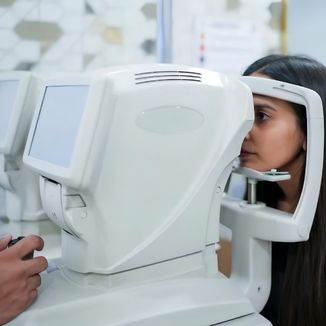
Measures refractive errors to determine the appropriate contact lens prescription.
✦ Accurate Vision Correction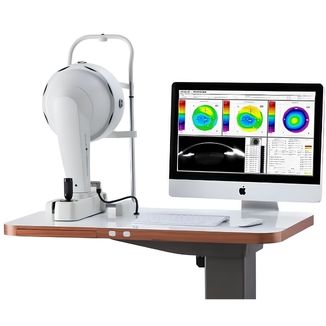
Maps corneal curvature and irregularities to guide contact lens selection and fitting.
✦ Detailed Corneal Mapping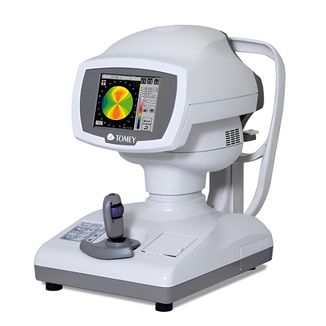
Measures corneal curvature to support lens selection and fitting assessment.
✦ Precise Corneal Measurements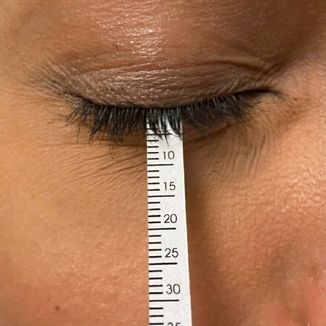
Assesses tear quality and ocular surface health to identify dryness or lens intolerance.
✦ Contact Lens Comfort Assessment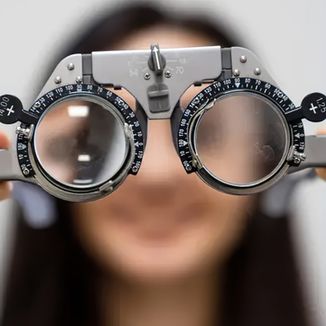
Evaluates lens positioning, movement, vision and comfort before finalising the prescription.
✦ Personalised Lens Fit AssessmentPATIENT JOURNEY
Five simple steps, from detailed eye examination and lens selection to personalised fitting and follow-up care.
Your vision needs, eye health, medical history and lifestyle preferences are carefully assessed.
Refraction, corneal curvature and tear film assessments help determine suitable lens specifications.
Appropriate contact lenses are selected based on your prescription, eye measurements and wearing needs.
Trial lenses are assessed for fit, movement, vision and comfort, with guidance on safe handling and hygiene.
Your lens prescription is finalised after satisfactory fitting, with follow-up visits to monitor comfort and eye health.
MEET OUR TEAM
Our experienced ophthalmologists provide personalised eye assessments and contact lens guidance for clear vision, comfortable wear and eye health.

















A contact lens clinic provides specialised assessment, fitting and ongoing care for people who wear or wish to start wearing contact lenses.
Unlike a routine spectacle prescription, a contact lens prescription considers additional factors such as corneal measurements, lens fit, material and ocular surface health.
At Surya Eye, an established contact lens clinic in Mumbai, patients can receive guidance on suitable lens options, safe handling, replacement schedules and regular monitoring to maintain comfortable vision and eye health.
Many teenagers and adults can wear contact lenses safely with appropriate fitting and care. Children may also be suitable when they can manage lens hygiene independently or with parental supervision.
Eligibility depends on refractive error, corneal health, tear film quality, lifestyle and the ability to follow recommended hygiene practices.
At Surya Eye, a contact lens specialist in Mumbai can assess suitability for patients with common refractive errors and selected corneal conditions.
People with active eye infections, significant ocular surface disease or difficulties maintaining lens hygiene may need treatment or additional evaluation before starting contact lens wear. A comprehensive eye check-up can help assess their suitability.
A contact lens prescription differs from a spectacle prescription because the lens rests directly on the eye.
In addition to corrective power, the prescription may specify lens parameters such as base curve, diameter, material, brand and replacement schedule. Toric lenses may also require cylinder power and axis measurements.
Patients seeking a contact lens prescription in Mumbai should undergo professional fitting at a trusted eye care centre rather than purchase lenses based only on their spectacle power.
Even when vision appears clear, an unsuitable lens fit can cause discomfort or affect corneal health.
Some patients with dry eyes may experience discomfort, fluctuating vision or reduced wearing time with conventional contact lenses. Suitability depends on the severity of dryness, tear film stability, eyelid health and the condition of the ocular surface.
Patients considering contact lenses for dry eyes in Mumbai may benefit from daily disposable lenses, appropriate lens materials or specialised designs, depending on their clinical findings at Surya Eye.
Selected patients with significant ocular surface problems may benefit from scleral lenses, which maintain a fluid reservoir over the cornea. However, not every patient with dry eyes is suitable for contact lenses. Underlying dryness should be assessed and managed before choosing a lens.
Patients with persistent symptoms may require dry eye treatment before or alongside contact lens fitting.
Standard soft contact lenses may not provide satisfactory vision or comfort for patients with certain corneal abnormalities. Specialty contact lenses in Mumbai may be considered at Surya Eye for keratoconus, irregular astigmatism, corneal scarring or selected ocular surface conditions.
These lenses often require additional measurements, individualised fitting and follow-up adjustments.
Hybrid lenses combine a rigid central optical zone with a soft outer skirt. Orthokeratology lenses temporarily reshape the cornea during overnight wear and require careful suitability assessment and monitoring.
The appropriate lens depends on the underlying condition and availability of specialised fitting services.
Proper contact lens hygiene is essential to reduce the risk of infections, corneal complications and lens-related discomfort.
Wash and dry your hands before handling lenses. Clean reusable lenses using the solution and rubbing technique recommended for the specific lens type.
Never use tap water, saliva or homemade solutions to clean contact lenses.
Daily disposable lenses should be discarded after use rather than cleaned and reused.
Store reusable lenses in a clean contact lens case containing fresh, recommended disinfecting solution.
Never top up old solution or expose lenses and cases to tap water.
Empty and clean the case according to the manufacturer's instructions, allow it to air-dry and replace it regularly, generally at least every three months.
Replacement frequency depends on the lens design and manufacturer instructions.
Daily disposable lenses are discarded after one use, while reusable lenses may follow fortnightly, monthly or other approved replacement schedules.
Wearing lenses beyond their recommended replacement period increases the risk of deposits, discomfort and complications.
Wearing time depends on the lens material, individual tolerance, eye health and professional recommendations.
New wearers may be advised to increase wearing time gradually.
Patients should avoid exceeding the recommended schedule and should remove lenses if discomfort or visual changes occur.
Safe contact lens use requires proper fitting, appropriate hygiene and regular eye examinations.
Patients should avoid sharing lenses, exposing them to water and using damaged or expired lenses.
Contact lenses can contribute to dryness or worsen existing symptoms in some wearers.
Reduced tear film stability, prolonged screen use, environmental conditions and unsuitable lens materials may affect comfort.
A professional assessment can help identify contributing factors and appropriate management.
Sleeping in contact lenses increases the risk of corneal infection, particularly when the lenses are not approved for overnight wear.
Most daily-wear lenses should be removed before sleeping.
Even lenses specifically prescribed for overnight use require careful monitoring and strict adherence to professional instructions.
Remove your lenses immediately if you develop eye pain, significant redness, unusual discharge, light sensitivity or sudden blurred vision.
Do not reinsert the lenses until an eye care professional has assessed the problem and confirmed that wearing them is safe.
Seek urgent eye evaluation for pain, redness, light sensitivity or reduced vision, particularly if symptoms persist after lens removal.
Contact lens-related corneal infections can progress rapidly and may threaten vision without timely treatment.
Contact lens costs vary according to the lens type, prescription, material, replacement schedule and fitting requirements.
Daily disposable, reusable soft, toric, multifocal and specialty lenses may have different pricing structures.
Patients should also consider ongoing expenses such as cleaning solutions, storage cases and replacement lenses.
Important factors include lens design, prescription complexity, manufacturer, replacement frequency and whether specialised fitting is required.
Customised lenses for irregular corneas may involve additional measurements, trial lenses and follow-up visits.
The inclusion of an eye examination depends on the clinic's consultation and fitting charges.
At Surya Eye, a contact lens examination in Mumbai may involve refraction, corneal assessment, tear film evaluation and trial lens fitting.
Patients should confirm whether these services, trial lenses and follow-up appointments are included in the quoted cost.
Surya Eye provides personalised contact lens assessment and fitting guidance, supported by over 40 years of experience in ophthalmic care.
Patients seeking contact lens fitting in Mumbai can receive recommendations based on their prescription, eye health and individual visual requirements.
As an established eye hospital in Mumbai, Surya Eye offers access to comprehensive ophthalmic assessment and guidance on maintaining healthy contact lens wear.
A contact lens consultation helps determine whether contact lenses are suitable for your vision, eye health and lifestyle. Patients can discuss lens preferences, wearing schedules, comfort concerns and any previous difficulties with contact lens use.
At Surya Eye, a contact lens doctor in Mumbai can assess ocular health and recommend suitable fitting and follow-up care. Patients requiring a contact lens check up in Mumbai can also schedule an appointment to evaluate their existing lenses, prescription and ocular surface health.
YOUR QUESTIONS, ANSWERED
Common types include soft, rigid gas permeable, toric, multifocal and scleral lenses. Specialty options include hybrid and orthokeratology lenses. Selection depends on prescription, corneal condition and individual visual needs.
Contact lens fitting involves evaluating vision, corneal measurements and ocular surface health. Trial lenses are assessed for positioning, movement, comfort and visual clarity before an appropriate prescription is finalised.
Some patients with dry eyes can wear contact lenses comfortably with appropriate lens selection and dryness management. Suitability depends on tear film quality, symptom severity and overall ocular surface health.
Yes. Toric contact lenses are designed to correct astigmatism. Rigid gas permeable and other specialised lenses may also help selected patients, depending on corneal shape and prescription requirements.
Wearing time depends on the lens type, eye health and individual tolerance. Follow the prescribed schedule, avoid overwearing lenses and remove them immediately if pain, redness or visual changes develop.
Replacement depends on the prescribed lens type. Daily disposables are discarded after one use, while reusable lenses follow their approved replacement schedules. Never extend lens use beyond the recommended period.
Most contact lenses should be removed before sleeping. Overnight wear increases infection risk, even with approved extended-wear lenses. Sleep in lenses only when specifically prescribed and monitored by an eye care professional.
Improper lens use can cause irritation, corneal abrasions, infections and other complications. Professional fitting, good hygiene, appropriate wearing schedules and regular eye examinations help reduce these risks.
Costs depend on lens material, prescription, replacement schedule and whether specialised fitting is required. Consultation charges, cleaning solutions and follow-up appointments may contribute to the overall expense.
Contact lens wearers generally benefit from an examination at least annually, although some require more frequent reviews. Consult your eye doctor sooner if discomfort, redness or changes in vision occur.
Yes. You can contact Surya Eye to book a contact lens consultation. The team can guide you regarding eye examinations, lens fitting, prescription assessment and available appointment options.
OUR CENTRES

805 - 807, 8th Floor, Supreme Headquarters, 14th Road, Bandra West, Off Linking Road, MH - 400050
See Centre ↗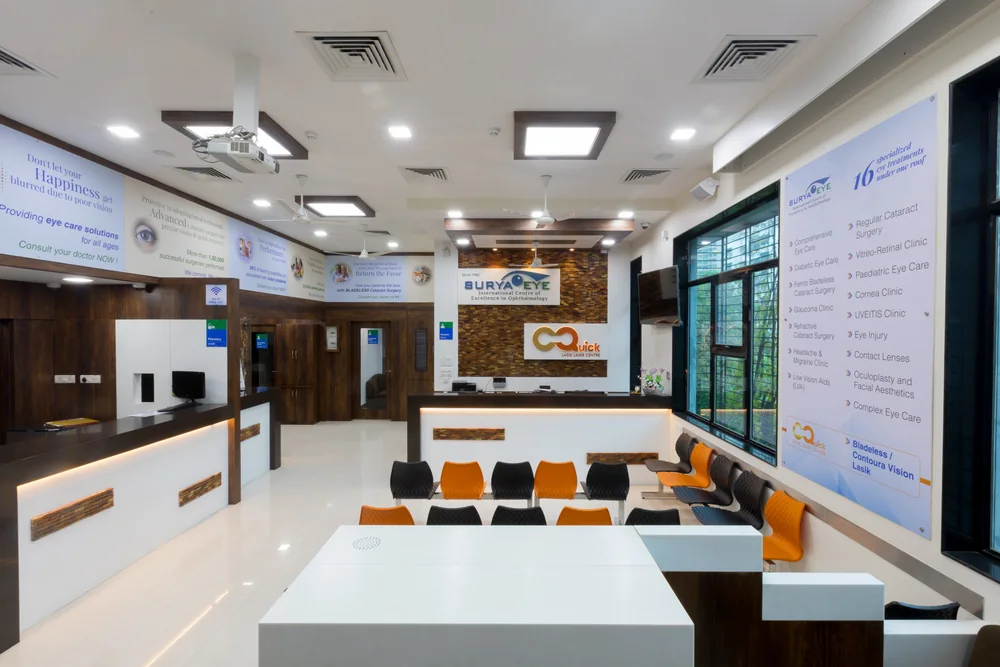
104, Aroto House, Purushottam Kheraj Rd, Saidham, Mulund West, Mumbai, MH - 400080
See Centre ↗ Center 1.png)
1st Floor, Superior Micron Heights, Sector -7, Near Apple Hospital & London Shakes, Airoli, Navi Mumbai, MH - 400701
See Centre ↗FEATURED
Trusted by 5 Lakh+ Patients.