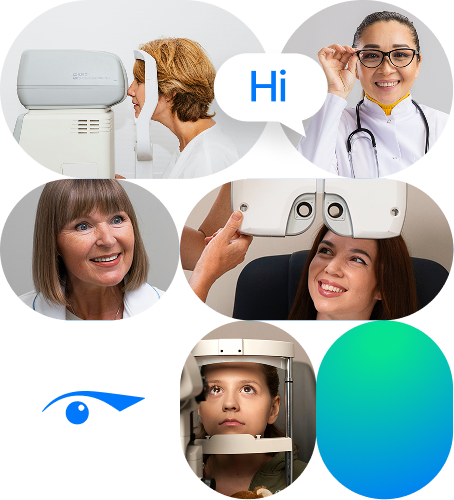
Child-Friendly Eye Examinations
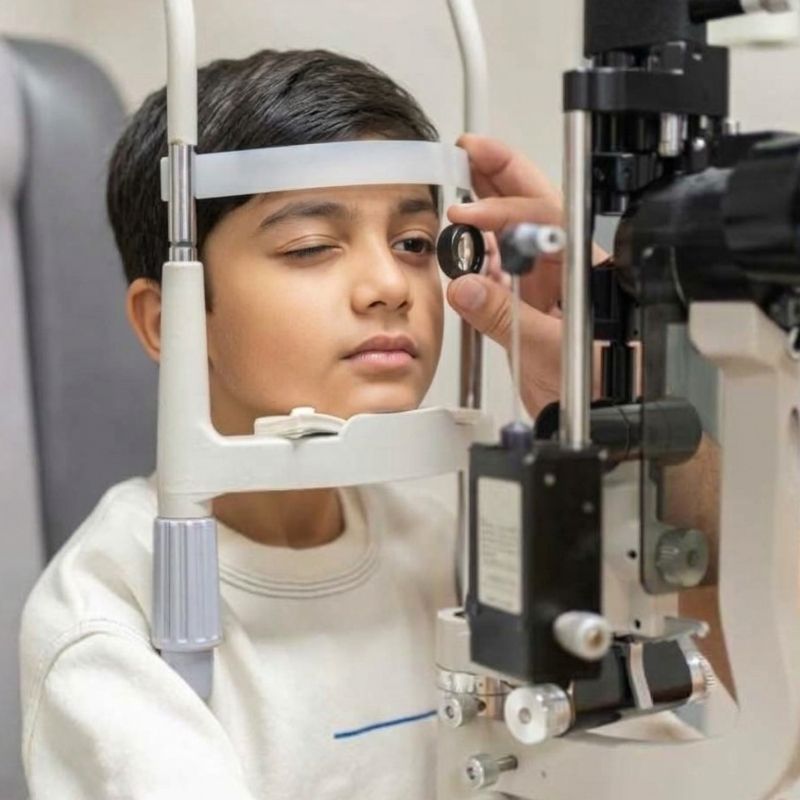
Age-appropriate vision assessments designed to identify eye problems while keeping children comfortable.

Specialised eye examinations and personalised treatment for childhood vision problems, squint, lazy eye, myopia and more.
Book Pediatric Consultation↗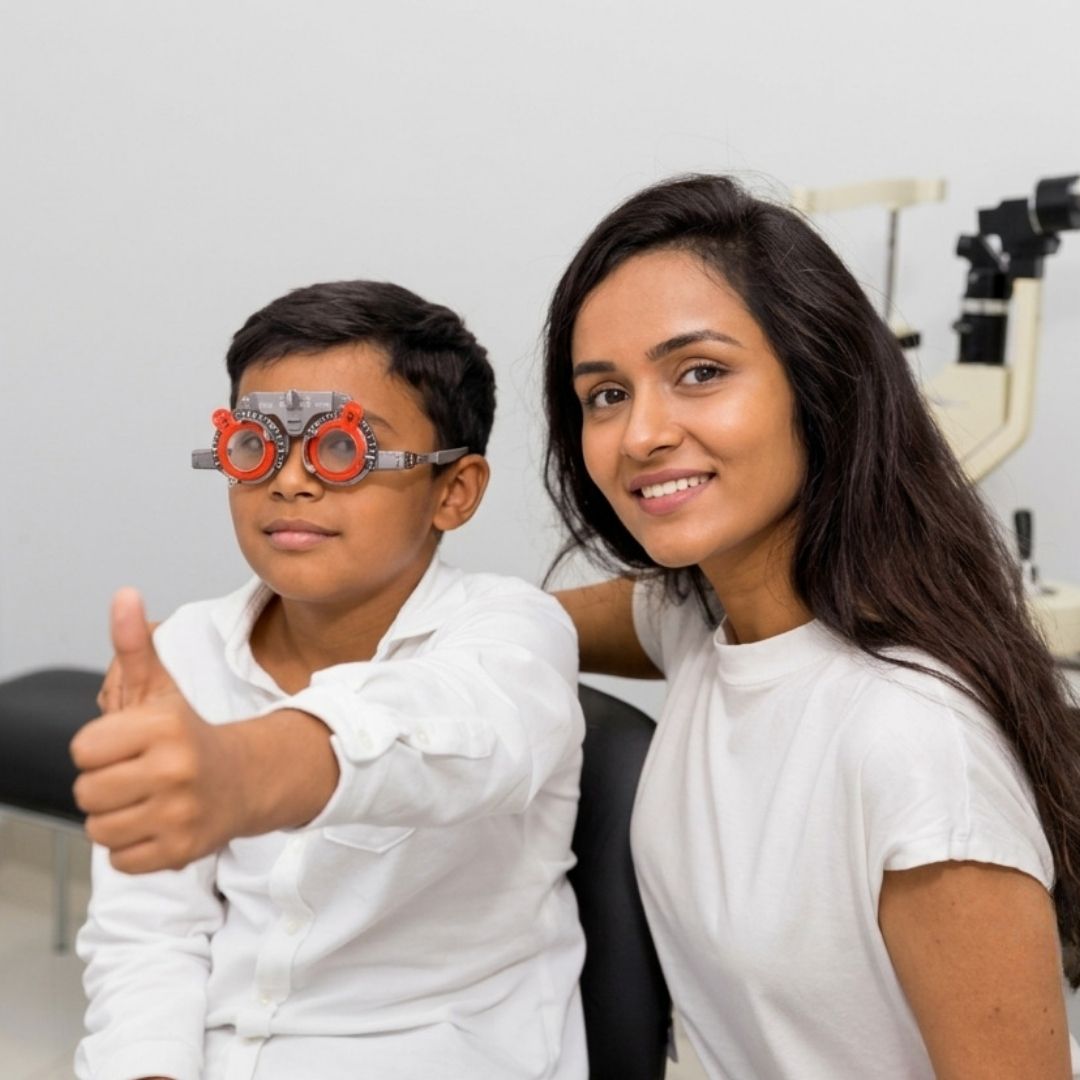
Experienced ophthalmologists, child-focused eye examinations and personalised treatment to support healthy vision development.
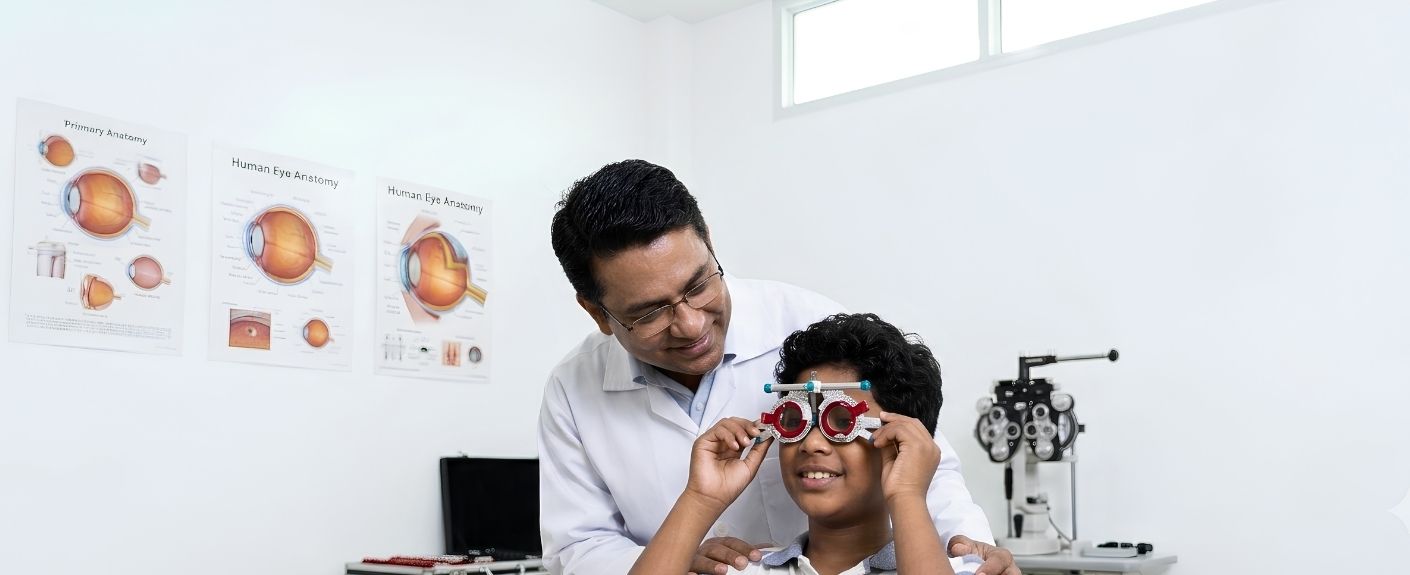
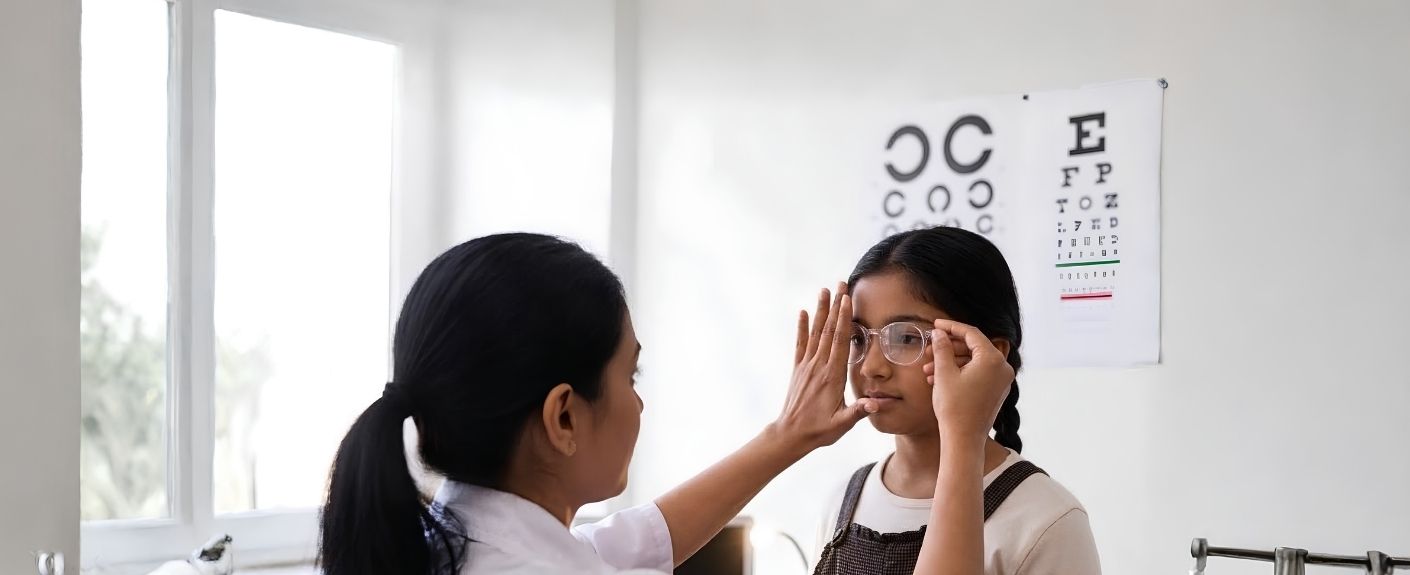
Age-appropriate vision assessments designed to identify eye problems while keeping children comfortable.
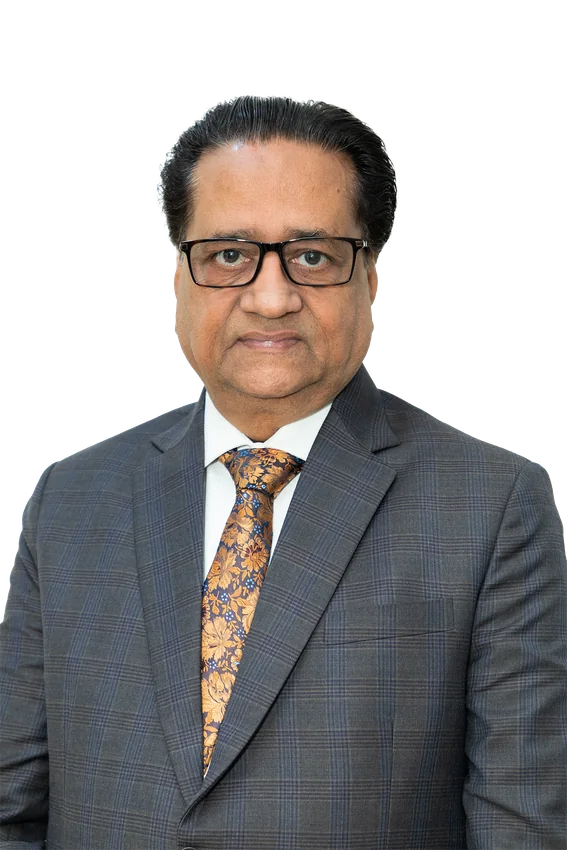
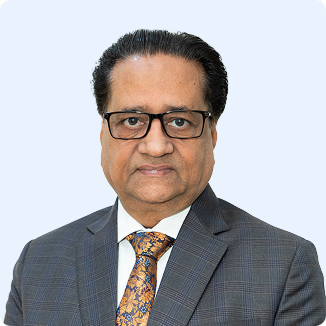
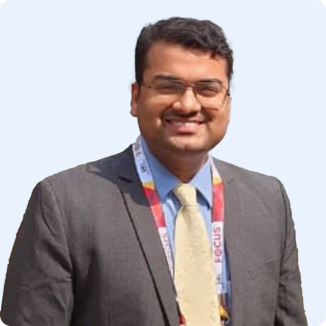
 Dr. Vinod Goyal

Evaluation and management of childhood vision problems, including refractive errors, lazy eye and squint.
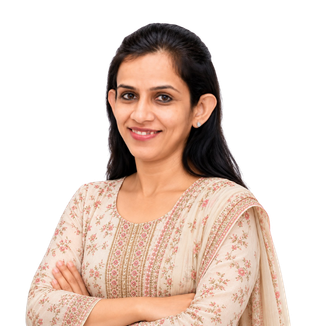
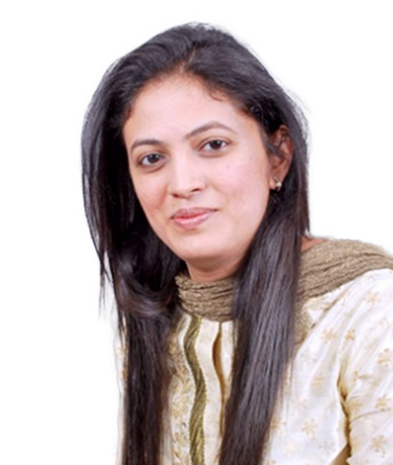
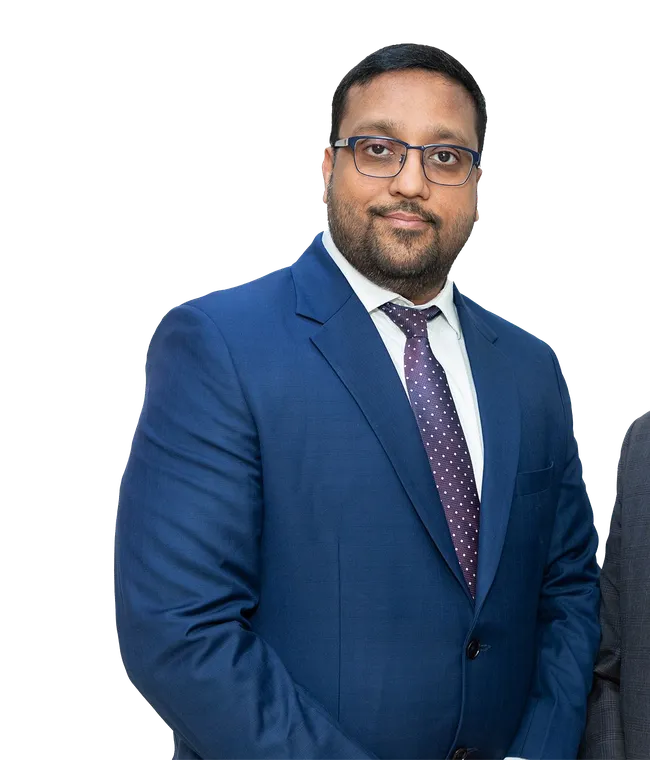 Dr. Jay Goyal

Led by Dr. Vinod Goyal and Dr. Jay Goyal, supported by an experienced team of eye specialists.

Treatment plans tailored to each child's age, eye condition and visual development needs.
Regular follow-ups to assess vision development, monitor treatment progress and address changing eye care needs.
UNDERSTANDING PEDIATRIC EYE CARE
Pediatric ophthalmology focuses on diagnosing and treating eye conditions in infants, children and adolescents while supporting healthy vision development.
A child's visual system continues to develop during the early years, making timely detection of eye problems particularly important.
Regular eye examinations can help identify conditions such as refractive errors, lazy eye and squint, even when children do not report any vision difficulties.
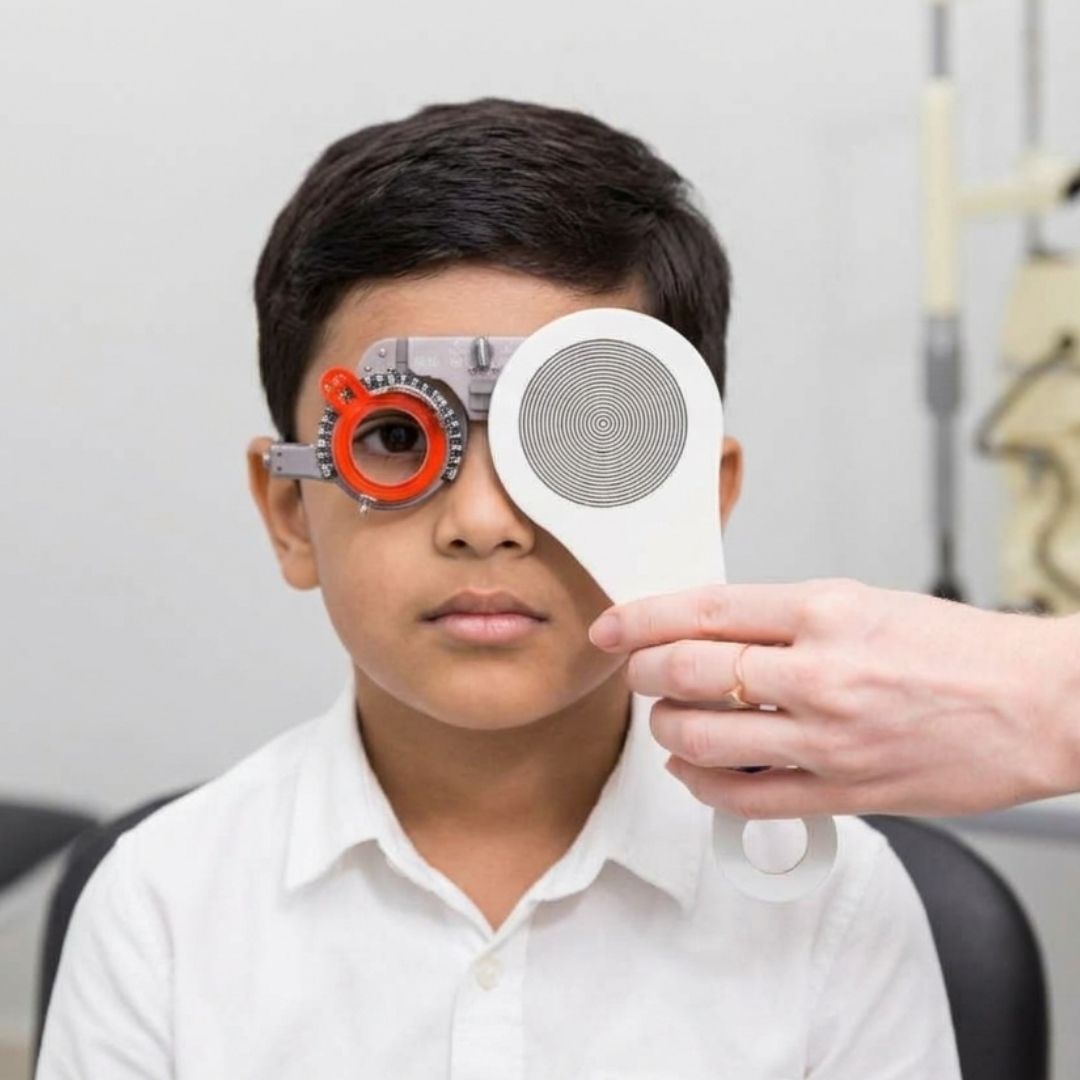
COMMON CHILDHOOD EYE CONDITIONS
Children may develop eye conditions affecting vision, eye alignment and visual development. Early diagnosis helps ensure timely and appropriate treatment.
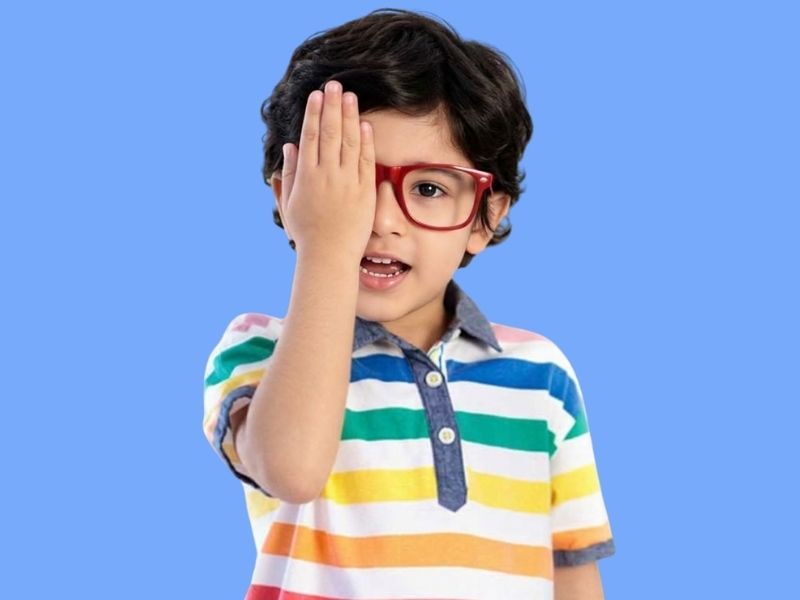
Myopia (short-sightedness), hyperopia (long-sightedness) and astigmatism can cause blurred vision and difficulty seeing clearly.
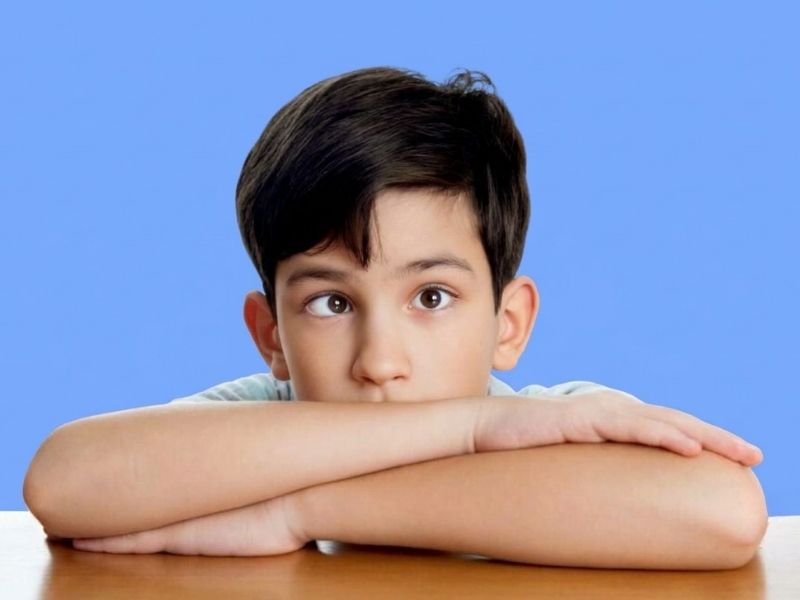
Reduced vision in one or both eyes occurs when normal visual development is disrupted during childhood.
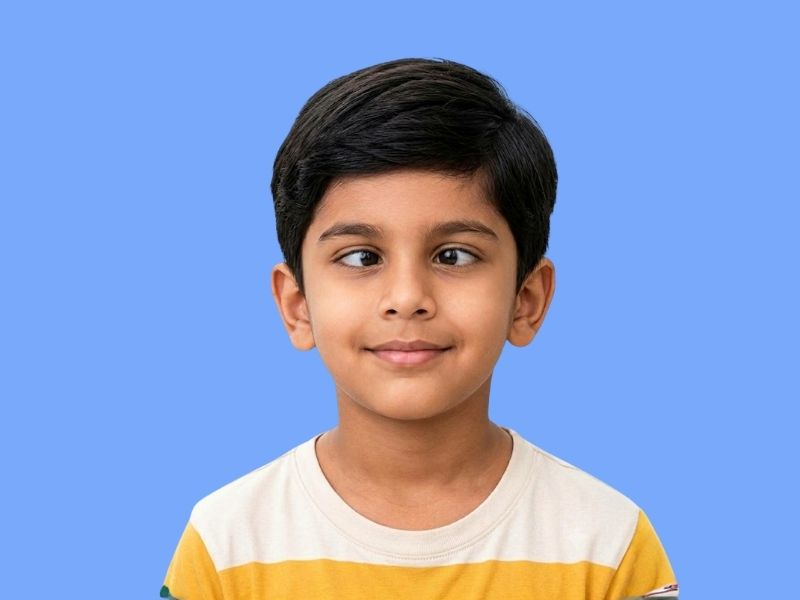
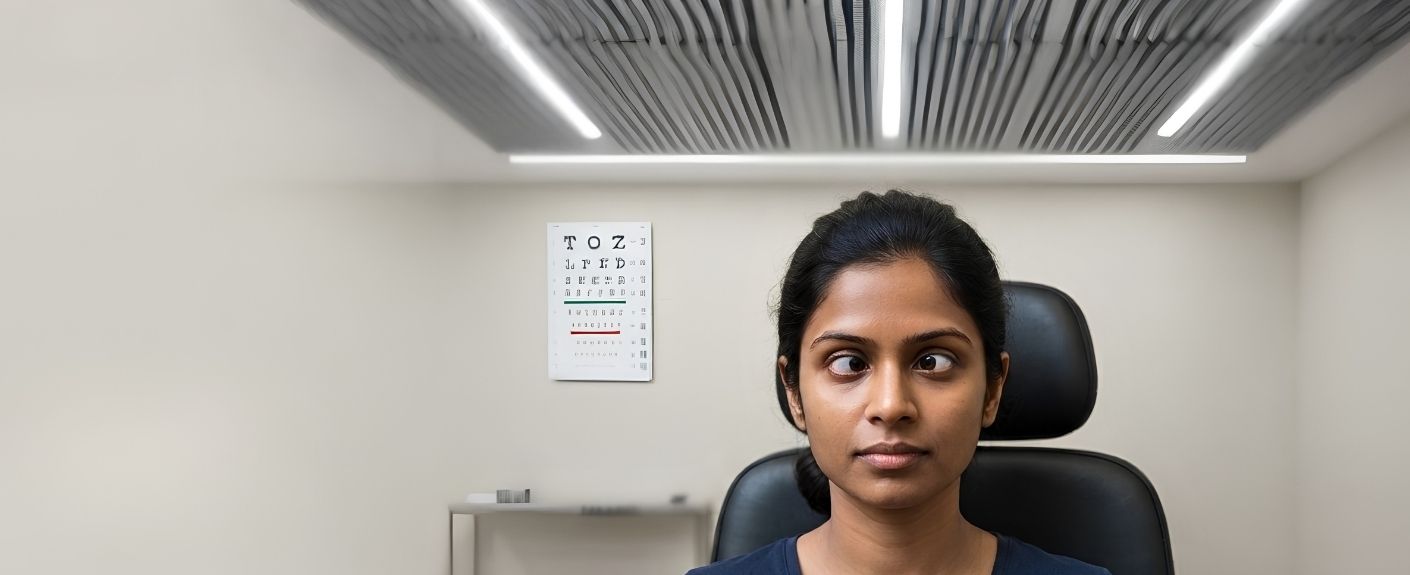
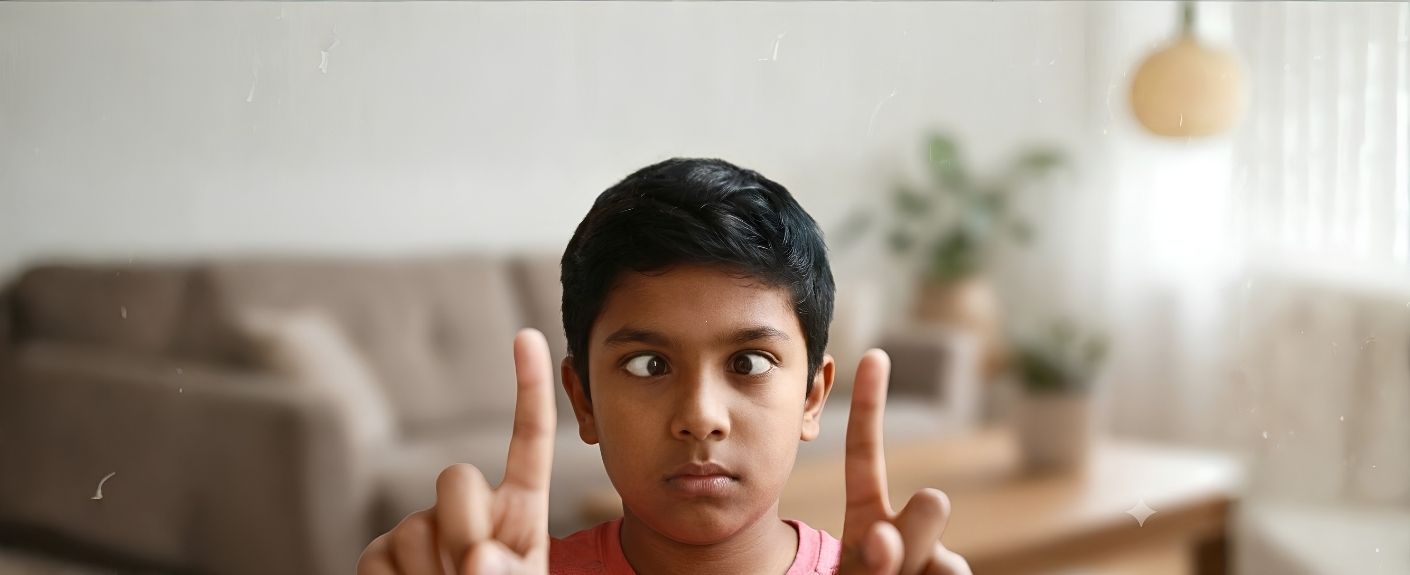
Misalignment of the eyes can affect binocular vision, depth perception and normal visual development.
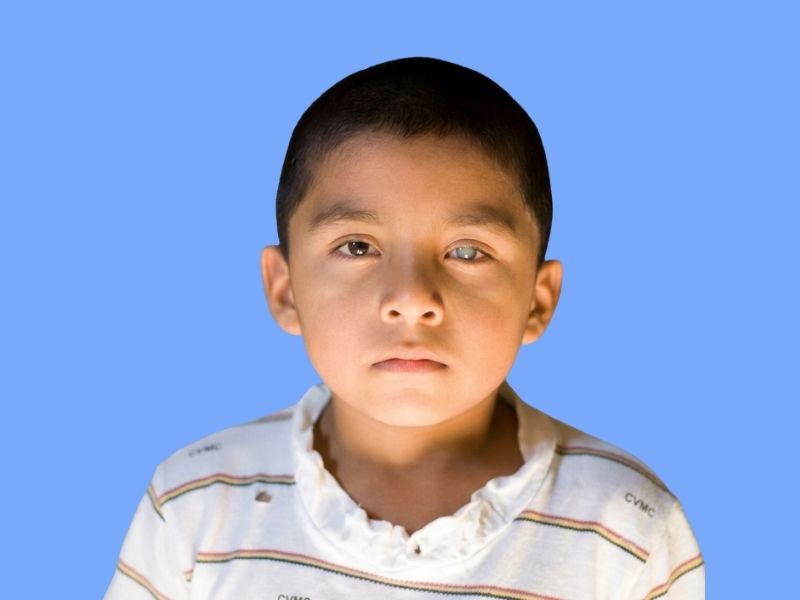
Clouding of the eye's natural lens can interfere with visual development and may require early intervention.
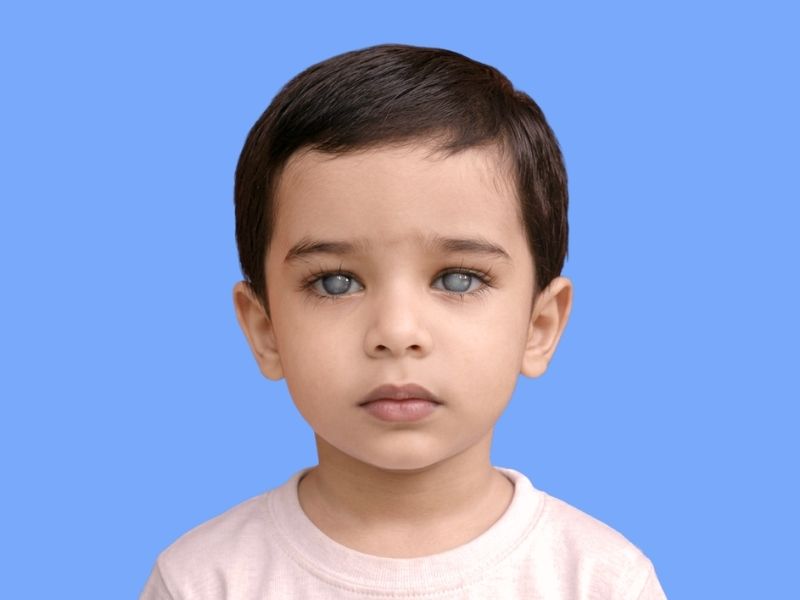
A rare but serious condition that can damage the optic nerve and affect vision if not treated promptly.
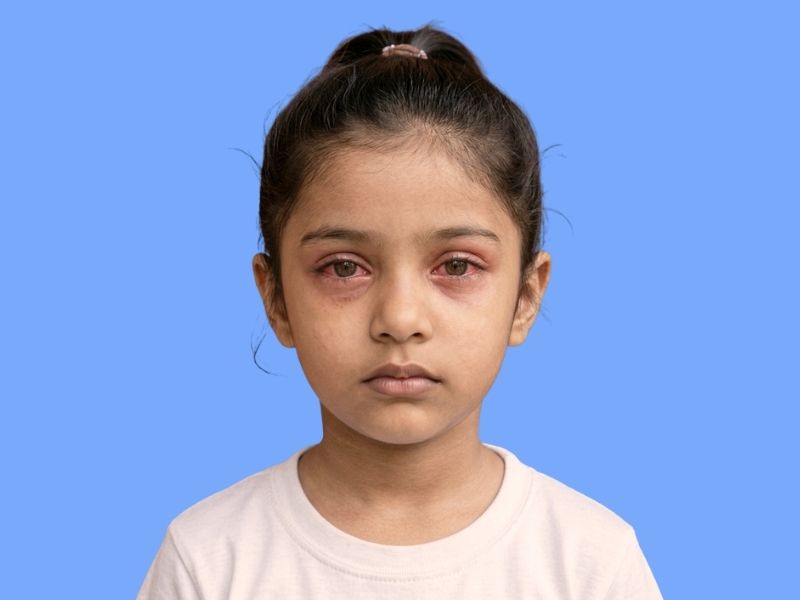
Allergic reactions can cause itching, redness, watering and frequent eye rubbing, affecting a child's comfort.
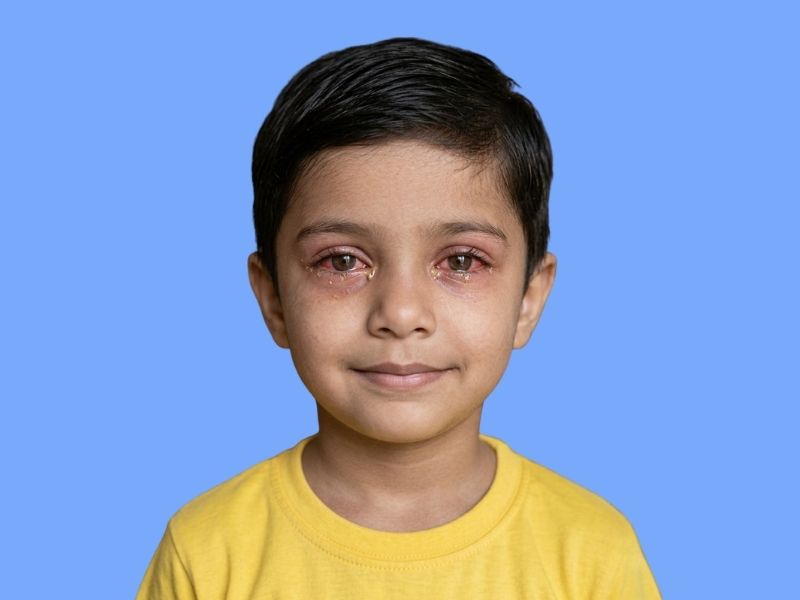
Conditions such as conjunctivitis can cause redness, discharge, watering and irritation, requiring appropriate care.
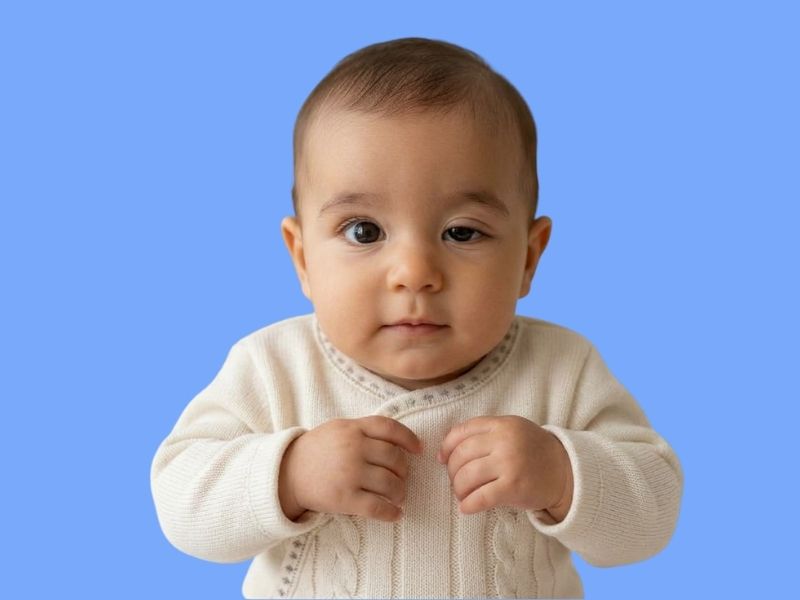
Eye abnormalities present from birth, such as drooping eyelids or structural defects, may affect vision development and require specialist evaluation.
KNOW WHEN TO SEEK HELP
Children may not recognise vision problems. Parents should watch for changes in eye appearance and visual behaviour.
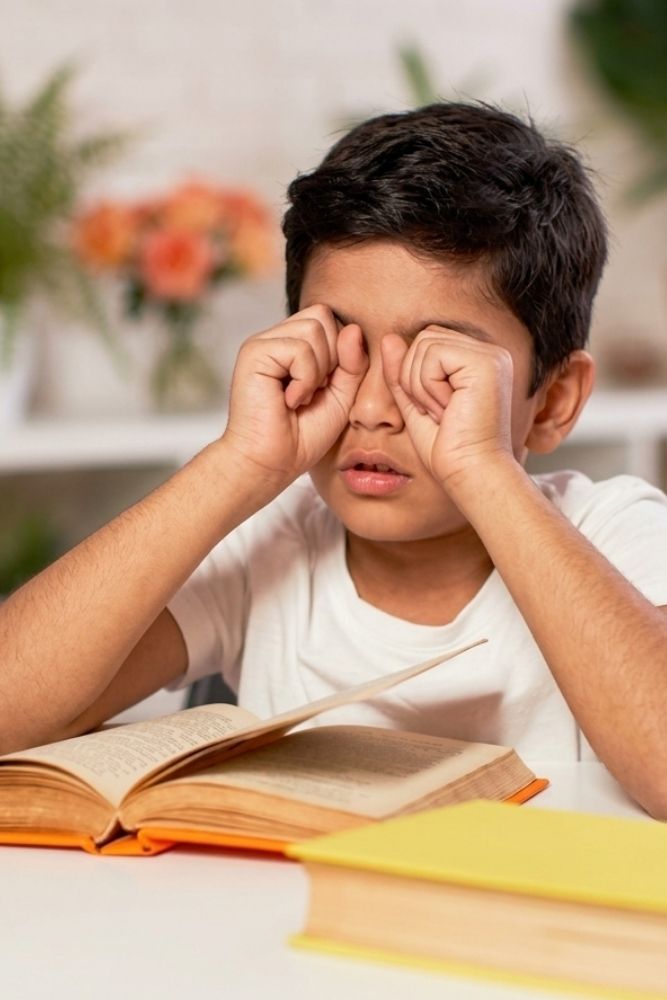
Repeatedly squinting, blinking or rubbing their eyes during activities.
Sitting unusually close to televisions or holding books very near.
Frequently tilting the head or closing one eye while focusing.
One eye occasionally or constantly turning in another direction.
Struggling to read classroom boards or complaining of blurred vision.
Recurring headaches or tired eyes during reading and homework.
ADVANCED PEDIATRIC EYE DIAGNOSTICS
Age-appropriate assessments help detect childhood vision problems and guide timely treatment.
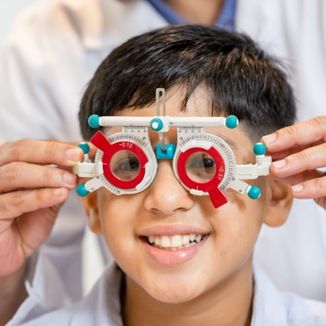
Measures how clearly children see using age-appropriate vision charts.
✦ Vision Clarity Assessment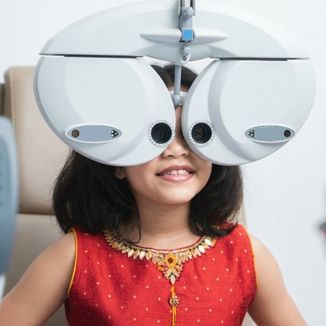
Uses special eye drops to accurately assess myopia, hyperopia and astigmatism.
✦ Accurate Prescription Assessment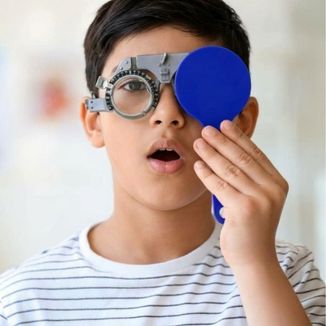
Evaluates eye alignment, movement and coordination to identify squint and binocular vision problems.
✦ Eye Coordination Evaluation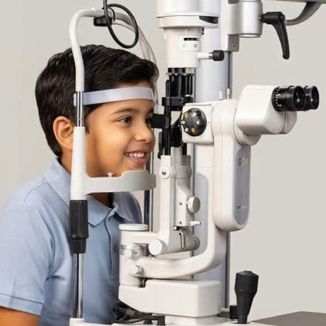
Examines the front structures of the eye to identify abnormalities and eye conditions.
✦ Detailed Eye Health Assessment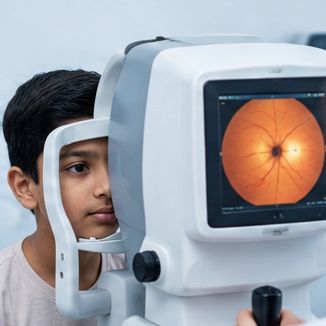
Examines the retina and optic nerve to detect abnormalities affecting eye health.
✦ Retinal & Optic Nerve AssessmentPERSONALISED CARE
Treatment is tailored to each child's eye condition, age and visual development needs.
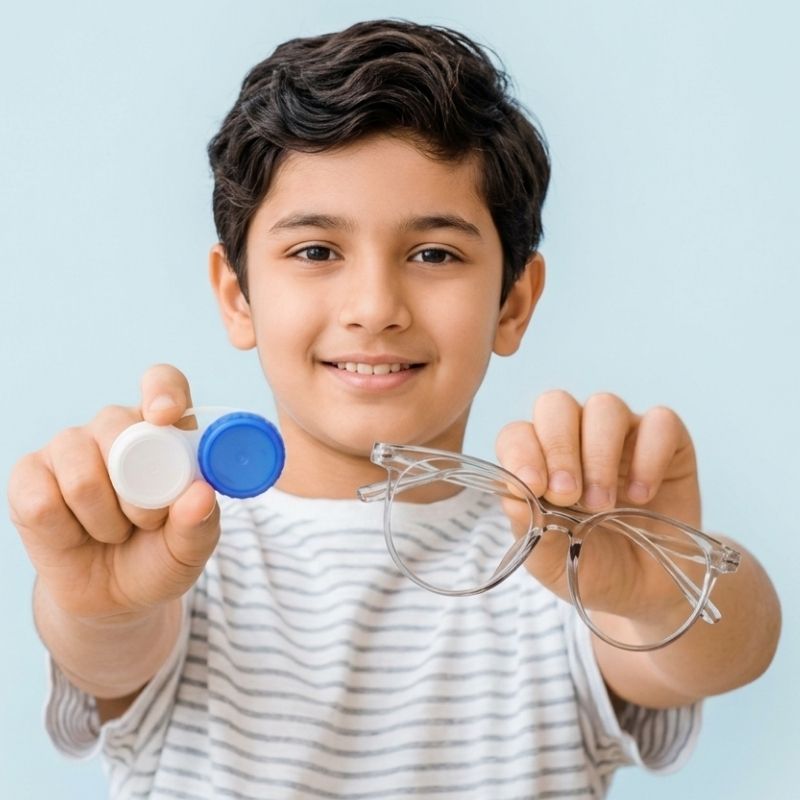
Corrective lenses help manage myopia, hyperopia and astigmatism for clearer vision.
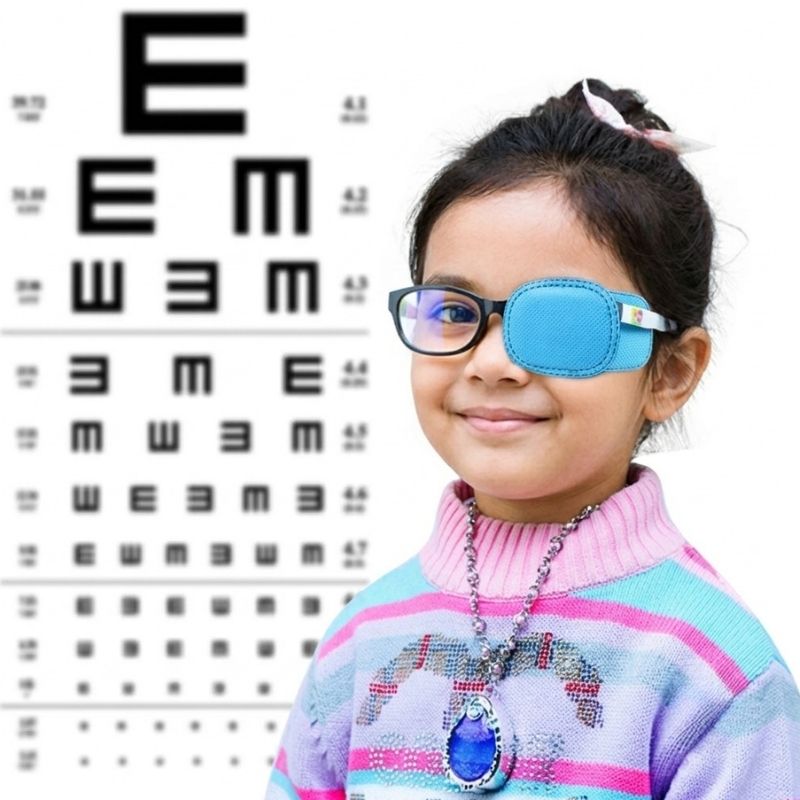
Patching and atropine penalisation help improve vision in children with amblyopia (lazy eye).
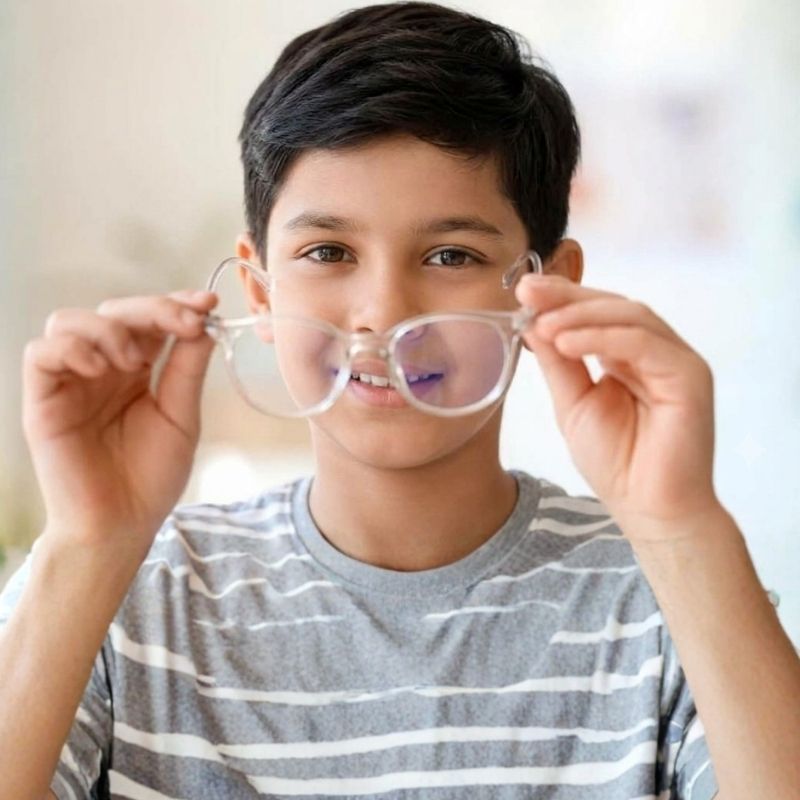
Specialised lenses and low-dose atropine drops may help slow childhood myopia progression.
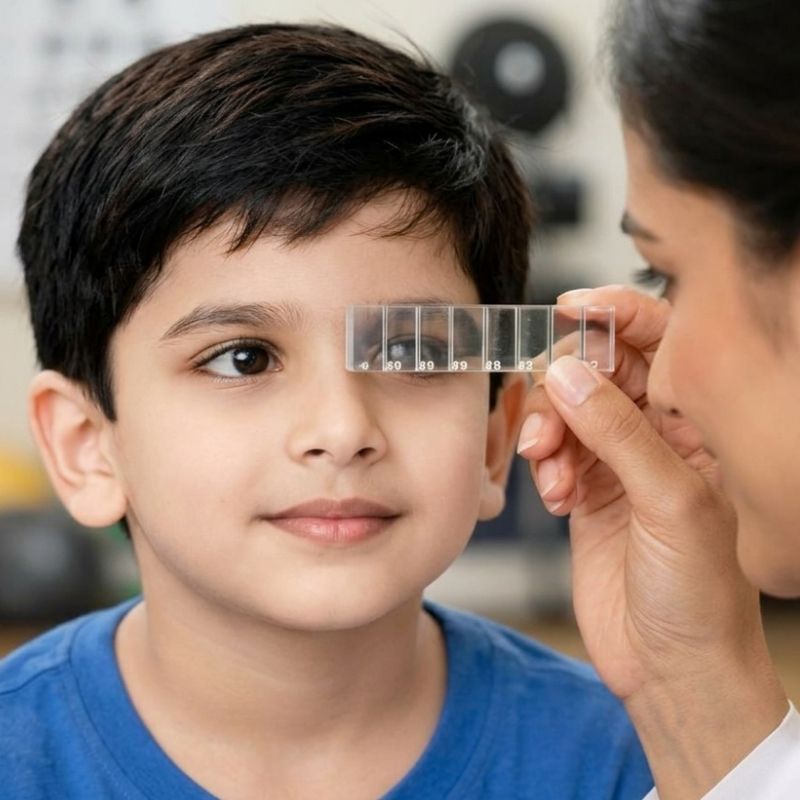
Glasses, selected eye exercises or surgery help manage squint and binocular vision problems.
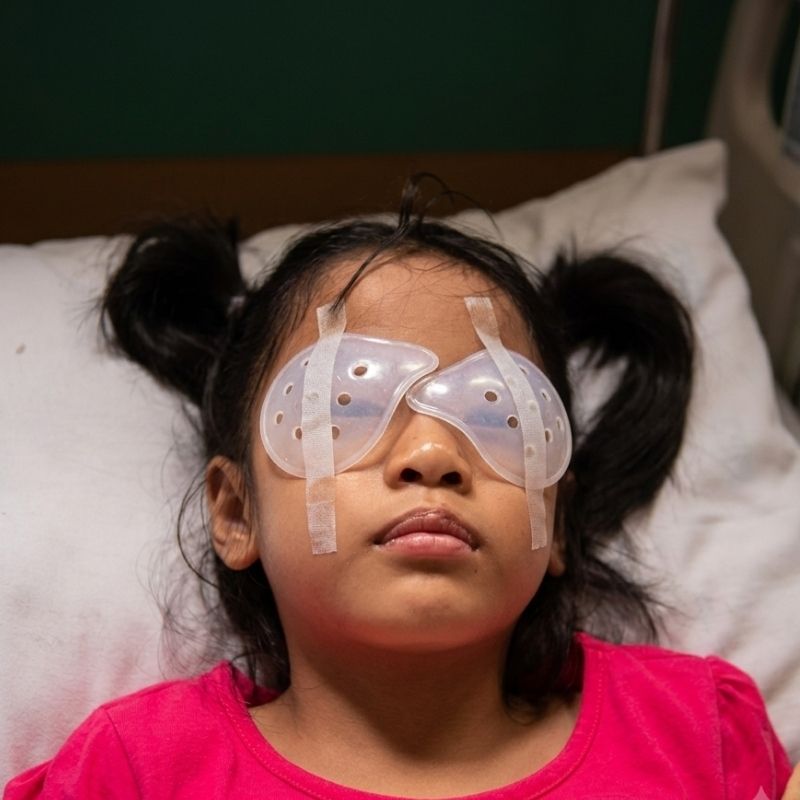
Surgical removal of the cloudy lens helps restore a clear visual pathway and support vision development.
Pressure-lowering medications and specialised surgery help manage glaucoma and protect the optic nerve.
PATIENT JOURNEY
Five simple steps from child-friendly consultation and eye examination to personalised treatment and follow-up care.
Your child's vision concerns, medical history, family history and developmental milestones are reviewed.
Age-appropriate tests assess vision, refractive errors, eye alignment and overall eye health.
Findings are explained to parents, and suitable treatment options are discussed.
Glasses, medical treatment or specialised procedures are recommended according to your child's condition.
Regular reviews track treatment progress, vision development and changes in your child's eye health.
MEET OUR TEAM
Our experienced ophthalmologists provide comprehensive eye examinations and personalised care to support healthy vision development in children.











Children may not always recognise or communicate vision problems. Regular eye examinations at Surya Eye, an established pediatric eye clinic in Mumbai, can help detect conditions that routine vision screening may miss.
Newborns should undergo eye screening as part of their routine health assessment. Further age-appropriate vision screening is recommended during infancy and early childhood.
Children should have a comprehensive examination by an ophthalmologist if screening identifies abnormalities or if parents notice unusual eye movements, poor visual responses or changes in eye appearance.
At Surya Eye, an experienced pediatric ophthalmologist in Mumbai can assess children who require specialist evaluation, including infants with suspected congenital eye conditions.
Vision screening is recommended when children enter school and periodically throughout their school years. Children who wear glasses or receive treatment for an eye condition may need more frequent examinations.
Parents can schedule a pediatric eye check-up in Mumbai at Surya Eye if their child struggles with classroom activities, reading or distance vision.
Children should be examined if they frequently complain of headaches, have difficulty reading, avoid near-vision activities or experience recurring eye discomfort.
A new eye turn, persistent double vision or sudden changes in vision should not be ignored. Urgent symptoms require prompt medical assessment.
Refractive errors occur when light does not focus correctly on the retina. They are among the most common causes of blurred vision in children.
Myopia causes difficulty seeing distant objects clearly. Children may struggle to read classroom boards or recognise objects at a distance.
Myopia can progress during childhood, making regular prescription assessments and appropriate management important.
Hyperopia may cause difficulty focusing, particularly during close-up activities. Some children compensate through their natural focusing ability, while others experience eye strain or develop an inward eye turn.
Astigmatism occurs when the cornea or lens has an irregular curvature, causing blurred or distorted vision at different distances.
Moderate or significant refractive errors may require corrective glasses to support normal visual development.
Vision develops rapidly during infancy and childhood. Certain eye conditions can interfere with this development even when a child appears comfortable and performs normal daily activities.
Early examination helps identify conditions before they cause persistent visual difficulties. This is particularly important for amblyopia, significant refractive errors and childhood cataracts.
Appropriate treatment during childhood can help the visual system develop more effectively. Delaying treatment for certain conditions may reduce the chances of achieving optimal vision.
Clear vision is important for reading, writing, classroom participation and other learning activities.
Although vision problems do not explain every learning difficulty, correcting an underlying eye condition may help children participate more comfortably in school activities.
Childhood myopia often progresses as children grow, particularly during their school years. Higher degrees of myopia are associated with increased risks of certain eye conditions later in life.
At Surya Eye, a pediatric eye specialist in Mumbai may recommend regular prescription monitoring, suitable optical treatments or low-dose atropine based on the child's age, degree of myopia and progression.
Parents can also encourage outdoor activities and balanced near-work habits. These measures support eye health but do not replace prescribed treatment.
Children with progressive short-sightedness may benefit from specialised myopia treatment to help slow prescription changes.
The approach to pediatric eye treatment in Mumbai at Surya Eye depends on the child's age, diagnosis, severity and stage of visual development.
Not necessarily. Some mild conditions require observation and periodic examinations, while others need prompt treatment to protect developing vision.
The ophthalmologist considers whether the condition affects visual development, eye alignment or overall eye health before recommending intervention.
Yes. Some conditions require a combination of treatments.
For example, children with amblyopia may need prescription glasses along with patching or atropine penalisation. Children with squint may require refractive correction before additional treatment is considered.
Specialised squint treatment is selected according to the type of misalignment and associated visual findings.
Contact lenses may be suitable for selected children who can follow proper hygiene and handling instructions, with parental supervision where needed.
Suitability depends on age, maturity, prescription and eye health. Parents can explore available contact lenses options following professional evaluation.
No. Many pediatric eye problems can be managed with glasses, medication or other non-surgical approaches.
However, conditions such as visually significant pediatric cataracts or certain forms of childhood glaucoma may require surgery. Families can learn more about the hospital's cataract surgery services, although pediatric surgical care requires additional specialist considerations.
A little preparation can make the appointment more comfortable and help parents provide useful information.
Explain the examination in simple, reassuring language. Tell your child that the doctor will check how their eyes see and work together.
Bring previous prescriptions, glasses, medical reports and details of any relevant family eye conditions.
Some examinations require dilating eye drops. These may temporarily blur near vision and cause light sensitivity for several hours, so parents should plan accordingly.
The doctor may also recommend additional assessments if a neurological or optic nerve-related condition is suspected. Such cases may require specialised neuro-ophthalmology care.
The cost of pediatric eye care in Mumbai depends on the child's condition, examination requirements and recommended treatment.
Costs may include consultation fees, prescription assessments, diagnostic investigations, glasses, medications, follow-up visits and any specialised procedures.
Routine refractive correction generally involves different expenses from squint surgery, pediatric cataract surgery or glaucoma treatment.
The consultation fee may not include every diagnostic investigation. Additional charges depend on the tests recommended and the hospital's billing structure.
Parents should confirm the expected cost of a pediatric eye check-up and any additional assessments before proceeding.
Insurance coverage varies according to the policy and treatment.
Routine consultations, spectacles and outpatient services may not be covered under all plans. Medically necessary surgeries may be eligible, subject to policy conditions and insurer approval.
Parents should verify coverage directly with their insurer.
Surya Eye brings over 40 years of eye care experience to the evaluation and management of vision problems.
As an established eye hospital in Mumbai, the hospital provides access to ophthalmologists, diagnostic facilities and treatment options for different eye conditions.
Parents seeking a child eye specialist in Mumbai can review the hospital's team of pediatric eye specialists in Mumbai and confirm the appropriate doctor for their child's condition.
Whether you are searching for a children eye clinic in Mumbai or a pediatric eye hospital in Mumbai, choosing a facility that provides age-appropriate examinations and appropriate specialist care is important.
At Surya Eye, parents can consult a pediatric eye doctor in Mumbai for evaluation of childhood vision concerns, refractive errors, squint and other eye conditions.
A consultation helps determine whether your child needs corrective lenses, treatment, additional investigations or ongoing monitoring.
YOUR QUESTIONS, ANSWERED
Clear answers to common questions about pediatric eye care.
Children should undergo recommended vision screening from infancy. Consult an ophthalmologist if your child shows vision difficulties, abnormal eye alignment or unusual eye appearance, or if screening identifies a problem.
The frequency depends on age, screening results and eye health. School-age children should receive periodic vision screening, while those with glasses or diagnosed conditions may need more frequent specialist examinations.
Common childhood eye problems include myopia, hyperopia, astigmatism, amblyopia, squint, allergies and infections. Less common but important conditions include pediatric cataracts, glaucoma and congenital eye abnormalities.
Warning signs include frequent squinting, eye rubbing, sitting close to screens, head tilting, misaligned eyes, blurred vision and difficulty reading. Persistent symptoms should be evaluated by an ophthalmologist.
Your child may need glasses if an examination identifies refractive errors affecting vision or visual development. The ophthalmologist determines the appropriate prescription based on age, refraction results and clinical findings.
Amblyopia is reduced vision caused by abnormal visual development during childhood. Treatment may involve glasses, eye patching or atropine penalisation, depending on the underlying cause and severity.
Squint treatment depends on its type and cause. Options may include prescription glasses, selected orthoptic exercises or eye muscle surgery. Early assessment helps determine the appropriate approach.
Yes. Cataracts can occur at birth or develop during childhood. Visually significant cataracts may require surgery to prevent interference with normal vision development.
Myopia progression may be slowed using specialised spectacle lenses, suitable contact lenses or low-dose atropine drops. Regular monitoring and appropriate outdoor activity also support childhood eye care.
Yes. Some childhood eye conditions, including refractive errors, squint and certain congenital disorders, may have a hereditary component. A family history can help guide screening and specialist evaluation.
The cost varies according to consultation fees, diagnostic tests and any additional assessments required. Parents can contact Surya Eye for current charges and information about available pediatric eye examinations.
Yes. You can contact Surya Eye in Mumbai to schedule an eye consultation for your child. The team can guide you regarding doctor availability, appointment timings and examination requirements.
OUR CENTRES

805 - 807, 8th Floor, Supreme Headquarters, 14th Road, Bandra West, Off Linking Road, MH - 400050
See Centre ↗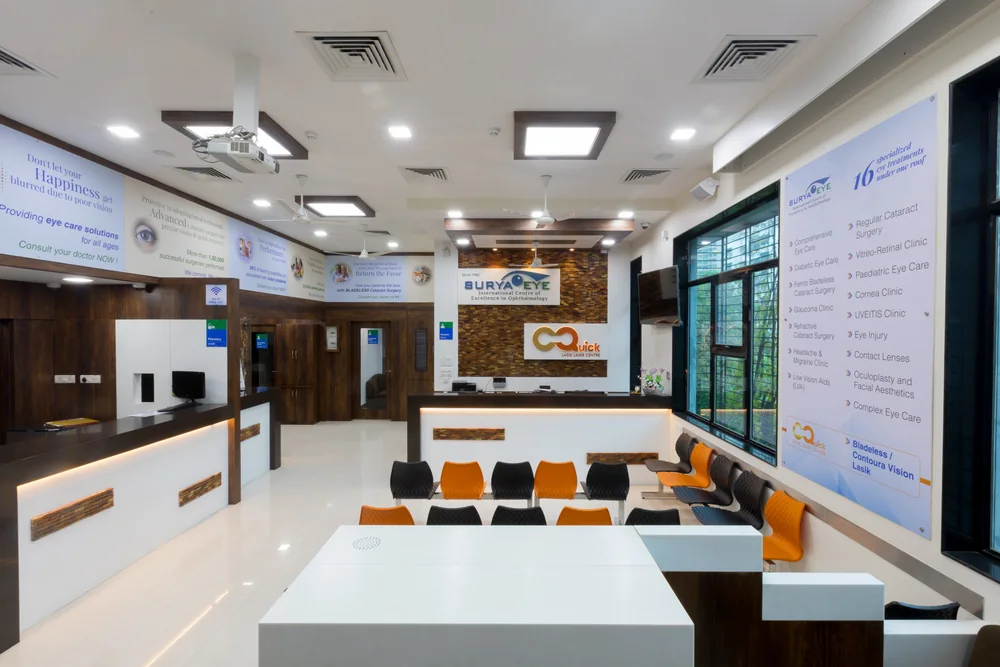
104, Aroto House, Purushottam Kheraj Rd, Saidham, Mulund West, Mumbai, MH - 400080
See Centre ↗ Center 1.png)
1st Floor, Superior Micron Heights, Sector -7, Near Apple Hospital & London Shakes, Airoli, Navi Mumbai, MH - 400701
See Centre ↗Trusted by 5 Lakh+ Patients.